Introduction to Jumper Cables
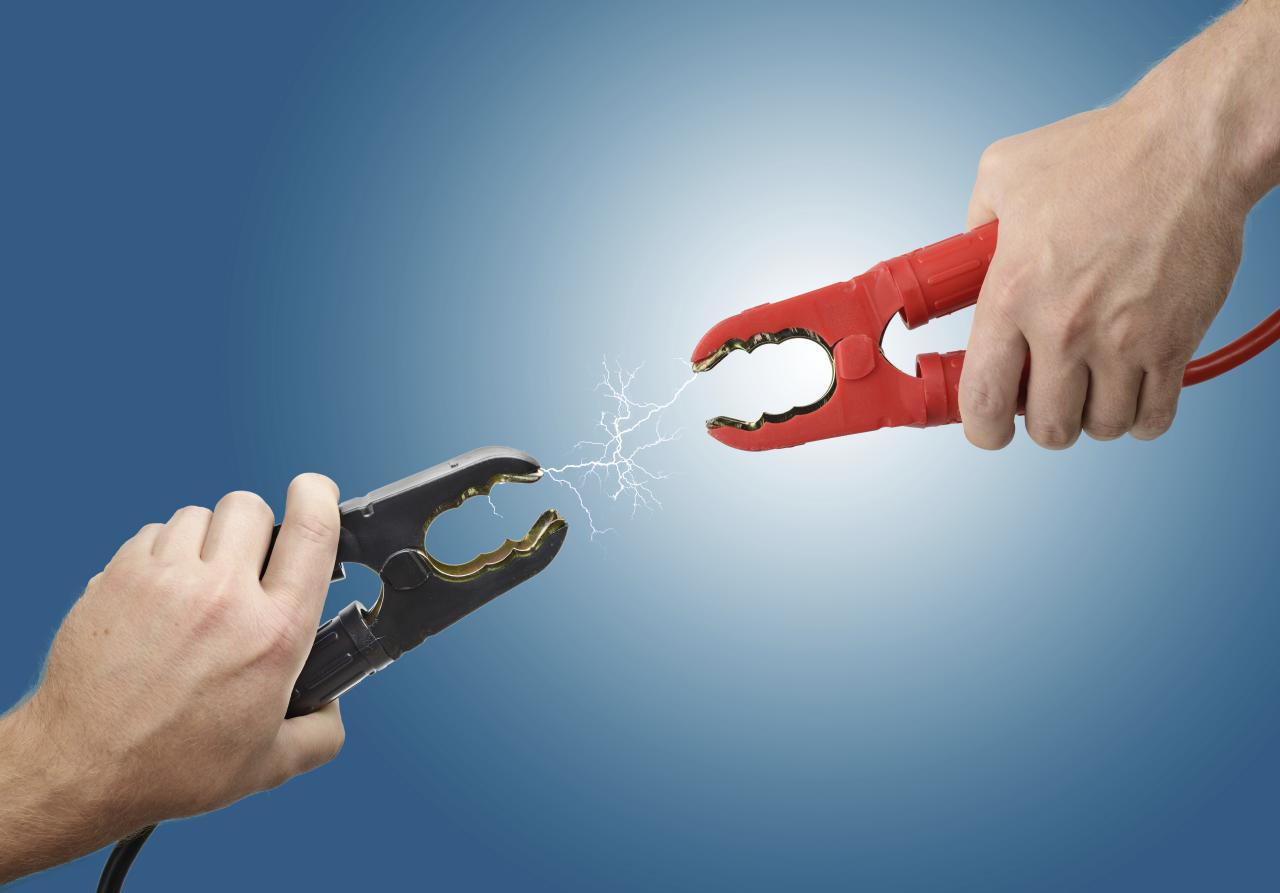
Jumper cables, also known as car jump starters, are essential tools for automotive maintenance. They provide a temporary electrical connection to a vehicle’s battery, allowing it to start when the battery is dead or low on charge. This is a common occurrence, often due to a discharged battery or a faulty electrical system.
Proper use of jumper cables is crucial for both safety and effectiveness. Improper use can damage the vehicle’s electrical system, leading to costly repairs. Understanding the different types of jumper cables and their features, as well as the associated safety precautions, is vital for safe and efficient use.
Jumper Cable Types
Jumper cables come in various types, each with distinct features. Understanding these differences allows you to choose the right cable for the specific needs of your vehicle. The choice of cable depends on factors like the vehicle’s engine size and the required amperage for starting.
- Standard Jumper Cables: These cables are typically sufficient for most passenger vehicles. They offer a good balance of affordability and functionality. They are suitable for vehicles with smaller engines and lower starting current demands.
- Heavy-Duty Jumper Cables: Designed for vehicles with larger engines or those experiencing starting issues. They provide a higher amperage capacity, which is essential for overcoming issues with starting a large engine, such as those found in trucks or SUVs.
- High-Amperage Jumper Cables: These cables are specifically designed for vehicles with high starting current requirements, such as those with powerful engines or specialized electrical systems. They offer the greatest amperage capacity and are a premium choice for situations demanding higher current flow, like diesel engines or heavy-duty vehicles.
Safety Precautions
Safety is paramount when working with jumper cables. Following these precautions minimizes the risk of electrical shock or damage to the vehicle.
- Proper Connection: Ensure correct polarity when connecting the cables to the batteries. Connecting the positive (+) terminal to the positive (+) terminal, and the negative (-) terminal to the negative (-) terminal is critical. Incorrect polarity can cause damage to the electrical system.
- Clearance and Isolation: Work in a well-ventilated area and ensure a safe distance from the vehicle’s electrical components. Prevent accidental contact with other parts of the vehicle’s electrical system.
- Grounding Considerations: Always connect the negative (-) cable to a grounded metal part of the vehicle on both vehicles. This prevents electrical shorts and potential hazards.
- Avoid Contact with Battery Terminals: Avoid touching the exposed battery terminals while the cables are connected, as this can result in electrical shock.
- Do Not Operate Electrical Components: Refrain from operating any electrical components, including the engine, while jumper cables are connected. This prevents the risk of electrical system damage.
Comparison of Jumper Cable Types
The following table provides a concise comparison of different jumper cable types, highlighting their key features and specifications.
| Type | Amperage Capacity | Suitable for | Cost |
|---|---|---|---|
| Standard | Low to Medium | Most passenger cars | Affordable |
| Heavy-Duty | Medium to High | Larger engines, trucks, SUVs | Moderate |
| High-Amperage | High | High-performance vehicles, heavy-duty vehicles | Expensive |
Preparing for Removal
Proper preparation is crucial when disconnecting jumper cables to prevent damage to the vehicle’s electrical system and ensure a safe work environment. This involves understanding the steps for securing the vehicle and locating the battery terminals, along with recognizing potential hazards. A methodical approach minimizes risks and ensures a smooth, efficient process.
Securing the Vehicle
Prior to disconnecting jumper cables, the vehicle(s) must be secured to prevent accidental movement. This is essential to prevent injury and damage during the procedure. Park the vehicle on a level surface, engage the parking brake firmly, and ensure the vehicle is not in gear. If possible, chock the wheels to further prevent movement. This precaution significantly reduces the risk of accidents.
Identifying Battery Terminals
Accurate identification of the battery terminals is vital for safe and effective cable removal. The positive (+) and negative (-) terminals are typically marked on the battery itself, often with a “+” or “-” symbol, or by color coding. If markings are unclear, consulting a repair manual specific to the vehicle model is recommended. Always use caution when handling battery terminals as they can be hot.
Safety Precautions
A methodical approach to safety is critical when working with jumper cables. Before commencing the removal process, ensure the area is well-lit and clear of obstructions. Wear appropriate personal protective equipment (PPE), including safety glasses to protect your eyes from any potential debris or acid spatter, and gloves to prevent skin irritation from battery acid. Always disconnect the negative (-) terminal first and reconnect it last. This helps prevent accidental short circuits.
Potential Hazards
Disconnecting jumper cables presents several potential hazards. Battery acid can cause skin irritation or damage. Battery terminals can be hot, and there’s a risk of electrical shock. Always handle the terminals with care and use appropriate protective gear. Furthermore, if not secured properly, the vehicle can move unexpectedly, leading to injury. Careful preparation and adherence to safety guidelines are paramount to mitigating these risks.
Necessary Tools, How to remove jumper cables
- Safety Glasses: Essential to protect your eyes from potential debris or battery acid.
- Gloves: Protect your hands from battery acid.
- Appropriate wrench or socket set (with appropriate size): Required for disconnecting the terminals.
- Jumper cables (only if still connected): In case you need to reconnect them after work.
- Work surface or mat (optional but recommended): Provide a stable surface to prevent accidental drops.
- Repair manual (if necessary): Helpful for locating battery terminals on specific vehicles.
A well-equipped toolkit is important for a smooth and safe operation.
| Tool | Description | Importance |
|---|---|---|
| Safety Glasses | Eye protection | Prevents eye damage from debris or acid spatter |
| Gloves | Hand protection | Prevents skin irritation from battery acid |
| Wrench/Socket Set | Terminal disconnect | Safe removal of terminals |
| Jumper Cables (if needed) | For reconnection | Useful for later connection |
| Work surface/mat | Stable surface | Reduces risk of dropped tools |
| Repair Manual (if necessary) | Terminal identification | Helpful for locating battery terminals |
Disconnecting the Cables
Properly disconnecting jumper cables is crucial to prevent accidental electrical shocks and potential damage to your vehicle’s electrical system. Incorrect procedures can lead to arcing, short circuits, or other hazards. Following a systematic approach ensures a safe and efficient removal process.
Positive Cable Disconnection
The positive (+) cable is typically connected to the positive terminal of the vehicle’s battery. Carefully identify the positive terminal, usually marked with a ‘+’, or a red color. Use caution when handling the cable, as it carries electrical current.
- Locate the positive cable clamp on the vehicle’s battery terminal.
- Using a wrench or pliers, grasp the cable clamp firmly and carefully.
- Gently pull the cable straight away from the terminal, ensuring the clamp releases completely. If the clamp is stuck, try wiggling it slightly before pulling. If the clamp doesn’t release, consult a qualified mechanic.
Negative Cable Disconnection
The negative (-) cable is connected to the negative terminal of the battery. This terminal is often marked with a ‘-‘ or a black color. Disconnecting the negative cable is equally important to prevent electrical hazards.
- Locate the negative cable clamp on the vehicle’s battery terminal.
- Using a wrench or pliers, grasp the cable clamp firmly and carefully.
- Gently pull the cable straight away from the terminal, ensuring the clamp releases completely. If the clamp is stuck, try wiggling it slightly before pulling. If the clamp doesn’t release, consult a qualified mechanic.
Disconnection Sequence
Disconnecting the cables in the correct sequence is essential to prevent sparking and potential damage. Start with the negative cable first, then disconnect the positive cable.
- Disconnect the negative (-) cable from the battery terminal first.
- Disconnect the positive (+) cable from the battery terminal next.
Importance of Proper Cable Disconnection
Proper cable disconnection minimizes the risk of electrical shock, short circuits, and damage to the battery or vehicle’s electrical system. It’s crucial to avoid sudden or forceful movements during the process to prevent accidental sparks. Following the correct procedure ensures a safe and efficient removal of jumper cables.
Step-by-Step Jumper Cable Removal Process
This structured process Artikels the correct steps for removing jumper cables:
- Ensure the vehicle’s engine is off.
- Identify the positive (+) and negative (-) terminals on the battery.
- Locate the jumper cable clamps on the vehicle’s battery terminals and the donor vehicle’s battery terminals.
- Disconnect the negative (-) cable from the vehicle’s battery terminal first.
- Disconnect the positive (+) cable from the vehicle’s battery terminal.
- Disconnect the jumper cables from the donor vehicle’s battery terminals in the reverse order of connection.
- Double-check that all cables are disconnected and the clamps are securely released from the terminals.
Troubleshooting and Potential Issues
Removing jumper cables, while generally straightforward, can sometimes present unexpected challenges. Understanding potential problems and their solutions is crucial for ensuring a safe and successful removal process. This section Artikels common difficulties and effective strategies for overcoming them.
A thorough understanding of the potential problems and their corresponding solutions can significantly reduce the risk of accidents and ensure a smooth and safe process. Proper handling of terminals and cables is paramount to avoid damage or injury.
Identifying Terminal Issues
Terminal corrosion, often caused by prolonged exposure to the elements, can impede a secure connection and make cable removal difficult. The buildup of oxidation can make the cable resistant to loosening. This is especially true in older vehicles or those in harsh climates.
Addressing Stuck or Difficult Cables
Sometimes, the jumper cables can become stubbornly stuck to the terminals. This is frequently due to tight connections, or the use of cables that don’t match the terminal size. Patience and careful maneuvering are key.
Strategies for Overcoming Removal Difficulties
Applying gentle, consistent pressure is often more effective than forceful pulling. Using appropriate tools, such as a wrench or pliers, can aid in the removal process, provided they are used correctly. Ensure that the tool is properly sized to avoid damage to the terminals or the cables.
Table of Common Problems and Solutions
| Problem | Solution |
|---|---|
| Corrosion on terminals | Use a wire brush or terminal cleaner to remove corrosion. Apply dielectric grease to prevent future corrosion. |
| Tight connections | Apply gentle, steady pressure to loosen the cables. Consider using a wrench or pliers if necessary. |
| Stuck cables | Apply gentle, consistent pressure to loosen the cables. Try rotating the cables slightly to dislodge them from the terminals. If necessary, use a wrench or pliers, but be cautious not to damage the terminals. |
| Incorrect cable size | Ensure the jumper cables are compatible with the vehicle’s terminals. If the cables are too small, they may not grip the terminals firmly. |
| Damaged terminals | Damaged terminals should be replaced. Trying to force cables onto damaged terminals can cause further damage and pose a safety hazard. |
Post-Removal Procedures
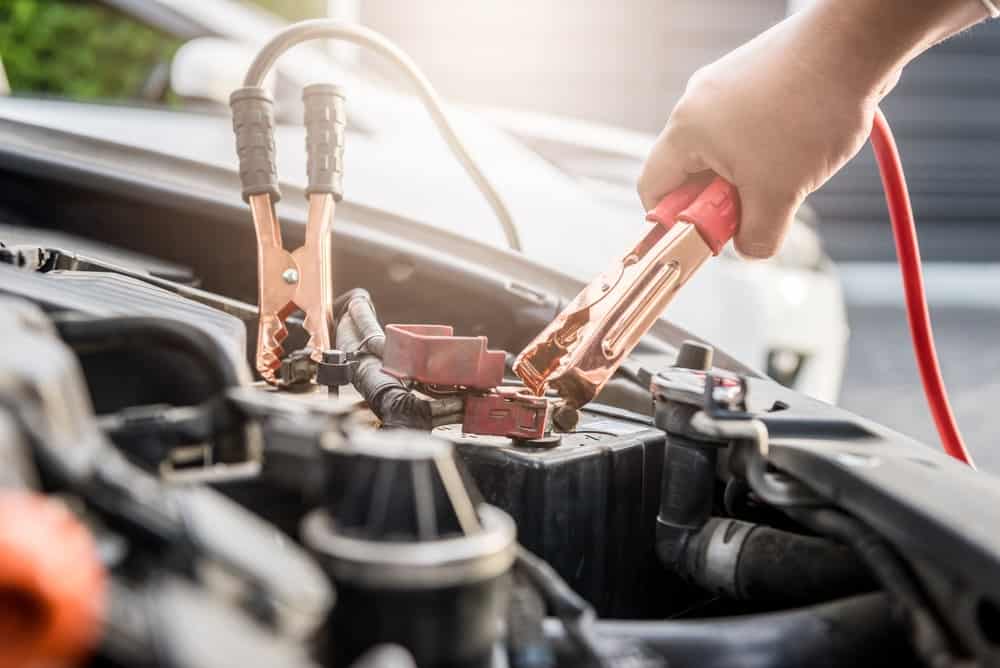
Once you’ve successfully disconnected the jumper cables, proper post-removal procedures are crucial for battery longevity and safety. These steps ensure the battery and the cables themselves remain in optimal condition for future use.
Following the steps Artikeld below will help maintain the health of your battery and the jumper cables, preventing potential issues and extending their lifespan.
Storing Jumper Cables
Proper storage of jumper cables is essential to maintain their flexibility and prevent damage. Store them in a cool, dry place, away from direct sunlight and extreme temperatures. Avoid storing them in areas prone to moisture or excessive humidity. Coil the cables neatly, and consider using a cable organizer to keep them tidy and prevent tangles. This will help maintain the cable’s integrity, ensuring they are ready for use when needed.
Maintaining Battery Terminal Cleanliness
The cleanliness of the battery terminals significantly impacts the battery’s performance and lifespan. After disconnecting the jumper cables, meticulously clean any corrosion or residue from the battery terminals using a wire brush or a specialized terminal cleaner. This ensures a good electrical connection, reducing resistance and improving the battery’s ability to deliver power. Corrosion can lead to significant power loss and, in extreme cases, damage to the battery itself.
Checking for Battery Damage
Inspect the battery for any signs of damage after removing the jumper cables. Look for bulges, cracks, or any other physical imperfections on the battery case. Leaking electrolyte is another key indicator of damage. If you notice any abnormalities, seek professional advice immediately. The battery may be severely compromised, and further use could lead to dangerous situations or further damage.
Visible Damage Assessment
Thoroughly examine the battery for any visible damage. Look for cracks, bulges, or leaks. Damage to the battery case or electrolyte leakage indicates potential internal issues. These issues might not be immediately apparent but could lead to significant battery failure or even safety hazards. A visibly damaged battery should be replaced promptly to avoid potential hazards.
Recommendations for Battery and Cable Longevity
Maintaining the health of your battery and jumper cables requires consistent care. Here are some recommendations:
- Regular Battery Inspections: Periodically check the battery for any signs of damage, corrosion, or leakage. This proactive approach can prevent costly repairs or replacements down the road.
- Proper Charging Practices: Follow the manufacturer’s instructions for charging your battery. Overcharging can damage the battery and shorten its lifespan.
- Environmental Considerations: Store the battery and cables in a cool, dry environment. Avoid exposing them to extreme temperatures, direct sunlight, or moisture.
- Battery Terminal Maintenance: Regularly clean the battery terminals to prevent corrosion. This simple maintenance step can significantly extend the battery’s lifespan.
- Cable Condition Monitoring: Inspect the jumper cables for any signs of wear and tear, such as frayed wires or damaged insulation. Damaged cables should be replaced immediately to avoid potential electrical hazards.
Safety Considerations
Proper safety precautions are paramount when working with jumper cables. Neglecting these precautions can lead to serious injuries, ranging from minor burns to severe electrical shocks. Understanding the potential hazards and taking appropriate steps to mitigate them is crucial for a safe and successful cable removal procedure.
Ensuring a safe working environment is a critical aspect of the process. This involves recognizing potential risks and implementing protective measures. A meticulous approach to safety throughout the entire removal process will prevent any unexpected incidents.
Importance of Safety Gear
Personal protective equipment (PPE) is essential when working with jumper cables. Appropriate safety gear significantly reduces the risk of injury. This includes, but is not limited to, insulated gloves, safety glasses, and sturdy footwear. Proper footwear will provide protection against potential electrical hazards and prevent slips and falls.
Risks in Different Environments
Working with jumper cables in certain environments increases the risk of accidents. Wet conditions, for instance, significantly increase the likelihood of electrical shocks. Similarly, working in cold environments can affect the dexterity and responsiveness of the user, potentially leading to mishaps. Furthermore, working in dimly lit areas or those with cluttered surfaces can lead to tripping and other accidental injuries.
Precautions in Wet or Cold Conditions
Wet conditions pose a significant risk due to the increased conductivity of moisture. In such cases, avoid contact with the exposed metal parts of the cables and the vehicle’s metal components. If working in the rain or snow, consider postponing the task until the weather improves. Similarly, cold temperatures can impair dexterity, potentially leading to accidents. Wear appropriate clothing and consider working in a sheltered area.
Preventing Accidental Shocks
Electrical shocks are a serious concern when working with jumper cables. Ensure the vehicle’s ignition is turned off and the car’s battery terminals are clean. Never touch the exposed metal parts of the cables or the car’s battery terminals while they are connected to the other vehicle’s battery. Always ensure the cables are securely attached and free from damage to prevent any accidental shocks.
Safety Checklist
To ensure a safe removal procedure, follow these precautions:
- Turn off the ignition of both vehicles.
- Ensure the vehicles are parked on a stable, level surface.
- Wear insulated gloves and safety glasses.
- Check the cables for damage or wear and tear. Replace any damaged cables.
- Clean the battery terminals of both vehicles to ensure proper contact.
- Connect the cables correctly, following the steps in the previous section.
- Disconnect the cables in the reverse order of connection.
- Inspect the cables for any signs of damage after removal.
- Dispose of the cables appropriately if they are damaged or beyond repair.
- If working in wet or cold conditions, take extra precautions to prevent accidents.
Alternative Methods (Optional)
While the standard method of removing jumper cables is effective and generally recommended, certain situations might warrant alternative approaches. These alternative methods, though less common, offer potential advantages in specific circumstances, such as when one or both battery terminals are particularly difficult to access or when additional safety precautions are desired.
Alternative methods for disconnecting jumper cables often involve leveraging specialized tools or employing a slightly different sequence of steps. Understanding the pros and cons of these methods can help you select the best approach for your specific situation.
Using a Wrench or Socket Set
A wrench or socket set can prove useful when the terminals are tight or difficult to grip directly. This method typically involves using a suitable wrench to loosen or tighten the terminals. This approach is particularly beneficial when the terminals are corroded or have a strong hold on the cables.
- Using a wrench or socket set allows for controlled application of force, preventing accidental damage to the terminals or surrounding components.
- Ensure the wrench or socket is appropriate for the size and type of terminal; improper tools could damage the terminal.
- Be cautious when using a wrench, as excessive force can damage the terminals or surrounding components.
Employing Insulated Pliers
Using insulated pliers provides an additional layer of safety, particularly when working near exposed wires or in environments with high electrical potential. These tools help prevent accidental contact with energized parts.
- Insulated pliers prevent electrical shock by isolating the user from the electrical circuit.
- Choose insulated pliers that are appropriate for the size and type of terminals to prevent damage during the removal process.
- The use of insulated pliers enhances safety measures, especially in potentially hazardous scenarios.
Considering Battery Terminal Condition
The condition of the battery terminals significantly impacts the selection of a suitable removal method. Corroded terminals might require more delicate handling, potentially necessitating specialized tools or techniques.
- If battery terminals are heavily corroded, using insulated tools or a wrench with a soft grip is highly recommended to prevent scratching or damaging the terminals.
- Corrosion can weaken the connection, making it difficult to remove the cables; careful handling is crucial.
- Consider using a wire brush or a specialized terminal cleaner to remove corrosion before attempting to disconnect the cables. This process enhances the connection’s stability and ease of removal.
Illustrations and Visual Aids: How To Remove Jumper Cables
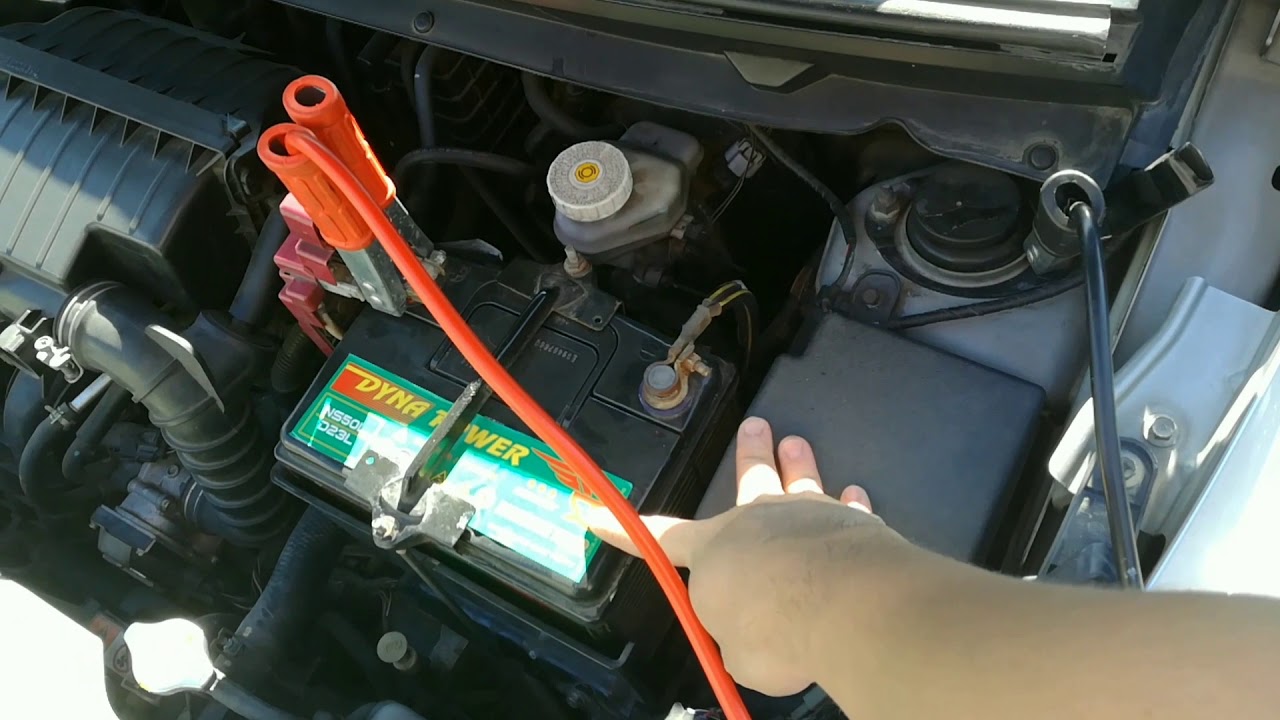
Visual aids are crucial for understanding and safely removing jumper cables. Clear images and diagrams help visualize the steps, preventing errors and ensuring a smooth process. Detailed descriptions of the process and tools used further aid in the comprehension of the procedure.
Visualizing the steps involved in removing jumper cables is vital to ensure a safe and correct procedure. A clear understanding of the steps and tools required allows for a precise and efficient process, minimizing risks. This section provides a comprehensive overview of visual aids for this task.
Battery Terminal and Cable Appearance
Battery terminals and cables vary in appearance depending on the vehicle. Commonly, battery terminals are made of metal and are either positive (+) or negative (-). The positive terminal is often colored red, while the negative is black, but this is not a universal rule. Cables are usually thick wires, either insulated or bare, with corresponding clamps for connecting to the terminals. Pay close attention to the terminal markings to ensure correct connection.
Tools Required
The tools needed for removing jumper cables are simple and readily available. These include insulated gloves, a wrench or pliers (depending on the cable type), and a well-lit work area. Using the correct tools is essential for safety and efficiency.
Correct Order of Cable Removal
The correct order of cable removal is crucial to prevent damage and ensure safety. A systematic approach to cable removal reduces the risk of short circuits and other electrical issues. Starting with the negative cable and finishing with the positive cable is the standard practice. This method helps to avoid any electrical sparks and minimizes the risk of accidental short circuits.
Illustration of the Entire Process
Imagine a diagram showing a car battery with two jumper cables connected to it. One cable is connected to the positive terminal and the other to the negative. The image should clearly illustrate the steps involved in removing the jumper cables. First, the negative cable (black) should be disconnected from the car battery’s negative terminal. Then, the positive cable (red) should be disconnected from the car battery’s positive terminal. This illustration should be presented with clear and concise labels for each step, highlighting the correct order of removal. The image should also show the correct hand positioning for holding the cables to prevent accidental shocks. The tools (insulated gloves, wrench/pliers) should also be clearly shown in the image, with a clear description of their intended use.
Essential Questionnaire
How to remove jumper cables – What are the potential risks associated with improper jumper cable removal?
Improper removal can lead to sparks, electrical shocks, damage to the battery or vehicle’s electrical system, and potential personal injury. Following the correct procedure is essential to mitigate these risks.
How do I determine if the jumper cables are securely connected?
Visually inspect the connections; they should be tight and secure. If there are any signs of looseness, re-check the connections before proceeding.
What should I do if a jumper cable is stuck?
If a cable is stuck, carefully use pliers or a wrench to loosen the connection without forcing it. If the problem persists, seek professional assistance.
Can I use any type of wrench to remove the jumper cables?
While you may use various types of wrenches, using the appropriate wrench for the specific terminal type is recommended to avoid damage. A flathead screwdriver is not recommended for removing jumper cables.