Introduction to Engineering

Engineering is the application of scientific principles and mathematical methods to design, build, and maintain structures, machines, systems, and processes. It encompasses a wide range of disciplines, each focusing on specific aspects of the physical world. From designing bridges to developing software, engineers play a crucial role in shaping our world. This diverse field requires creativity, problem-solving skills, and a strong understanding of fundamental concepts.
Engineering has profoundly impacted society throughout history. Early examples include the construction of the pyramids, which showcase the sophisticated understanding of mathematics and engineering principles in ancient civilizations. More recently, the development of the internet and the subsequent revolution in communication exemplify the transformative power of engineering innovation. These achievements highlight the continuous evolution of engineering and its impact on daily life.
Engineering Problem-Solving Principles
Engineering problem-solving often involves a structured approach. This typically includes defining the problem clearly, gathering relevant data, developing potential solutions, analyzing the feasibility and limitations of each solution, and finally, implementing the chosen solution and evaluating its effectiveness. Critical thinking, analytical skills, and a methodical approach are essential in engineering problem-solving. This systematic approach helps engineers to make informed decisions and create effective solutions to complex challenges. Engineers often utilize models and simulations to predict the behavior of systems before physical implementation. The ability to adapt to changing conditions and iterate on solutions is also a crucial aspect of successful engineering.
Engineering Disciplines
Understanding the diverse fields within engineering is crucial. Different disciplines focus on specific aspects of the physical world, requiring different skill sets and knowledge areas. The table below provides a concise overview of several prominent engineering disciplines.
| Discipline | Description | Typical Tasks | Required Skills |
|---|---|---|---|
| Civil Engineering | Focuses on the design and construction of infrastructure projects, including roads, bridges, buildings, and water systems. | Designing and overseeing construction projects, analyzing structural loads, managing project budgets and timelines, conducting site surveys. | Strong analytical and problem-solving skills, proficiency in mathematics and physics, knowledge of building codes and regulations, strong communication and teamwork skills. |
| Mechanical Engineering | Deals with the design, development, and maintenance of mechanical systems, such as engines, machinery, and robots. | Designing and testing mechanical components, optimizing machinery performance, developing new manufacturing processes, troubleshooting equipment malfunctions. | Strong knowledge of thermodynamics, mechanics, and materials science, proficiency in CAD software, strong problem-solving and analytical skills. |
| Electrical Engineering | Focuses on the design and development of electrical systems, including power generation, transmission, and distribution, as well as electronic devices. | Designing circuits, developing electronic systems, analyzing power grids, working with software and hardware. | Strong understanding of electricity and electronics, proficiency in circuit analysis and design tools, knowledge of programming and software development, problem-solving and analytical skills. |
| Chemical Engineering | Involves the design and operation of chemical processes, including the production of chemicals, fuels, and materials. | Developing and optimizing chemical processes, designing chemical plants and equipment, analyzing chemical reactions, managing safety and environmental concerns. | Strong background in chemistry, thermodynamics, and reaction kinetics, proficiency in process simulation software, understanding of safety protocols and environmental regulations. |
Educational Pathways
Securing a career in engineering typically involves a structured educational journey. This path varies based on the specialization and the desired level of expertise. Understanding the educational requirements for different engineering disciplines is crucial for aspiring engineers.
The educational pathway often begins with undergraduate studies, progressing to graduate degrees like Master’s or PhDs, depending on the specific engineering field and career aspirations. Vocational training and apprenticeships also offer viable alternative routes to entry-level engineering positions. A strong foundation in relevant coursework, coupled with active participation in extracurricular activities, is often a key differentiator in the competitive landscape of engineering.
Typical Educational Requirements
A typical pathway for many engineering specializations begins with a Bachelor of Science (BSc) degree. This undergraduate program provides a solid base of theoretical knowledge and practical skills. Subsequent graduate study, such as a Master of Science (MSc) degree, is often necessary for specialized roles or advanced research positions. A Doctor of Philosophy (PhD) degree is usually pursued for academic research or leadership roles in industry.
Different Academic Pathways
Beyond traditional degree programs, vocational training and apprenticeships offer alternative pathways to engineering careers. These programs often focus on practical skills and hands-on experience, providing a direct route to entry-level positions. Apprenticeships, for instance, combine on-the-job training with structured learning, bridging the gap between theoretical knowledge and real-world application.
Importance of Relevant Coursework and Extracurricular Activities
A strong academic foundation, demonstrated through successful completion of relevant coursework, is highly valued by employers. Courses in mathematics, physics, and chemistry are fundamental for many engineering disciplines. Furthermore, extracurricular activities, such as engineering clubs, design competitions, and internships, demonstrate practical skills and teamwork abilities, adding significant value to a candidate’s profile.
Comparison of Engineering Degrees
| Degree | Duration (Years) | Required Subjects | Career Prospects |
|---|---|---|---|
| BSc Engineering | 4 | Calculus, Differential Equations, Physics, Chemistry, Engineering Fundamentals | Entry-level engineer roles, Junior Project roles, Technical support |
| MSc Engineering | 2 | Advanced engineering courses, Specialization-specific electives, Research methodology | Mid-level engineer roles, Project management roles, Research and development |
| PhD Engineering | 4-7 | Research-intensive coursework, Dissertation development, Publication of research | Academic research positions, Senior engineering leadership, Advanced research positions |
Essential Skills and Qualities
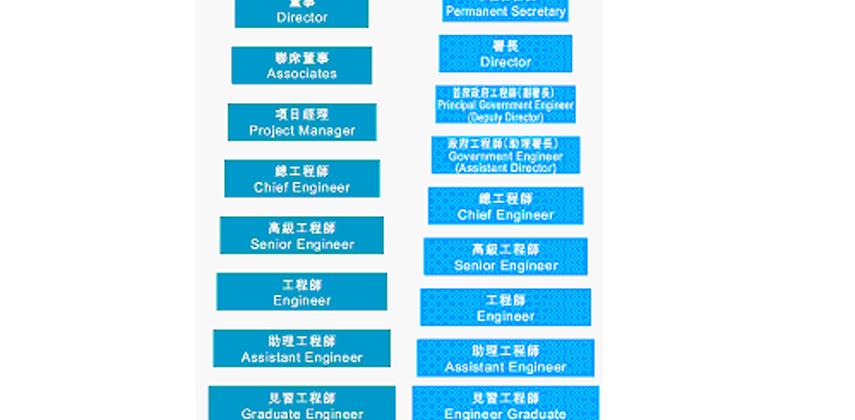
Engineering success hinges on a combination of technical proficiency and interpersonal skills. Beyond academic knowledge, cultivating essential skills and qualities is crucial for navigating the challenges and opportunities within the field. These traits not only facilitate individual growth but also contribute significantly to team effectiveness and project outcomes.
Technical Skills for Engineers
Technical skills form the bedrock of engineering practice. These encompass a wide range of abilities, from problem-solving and critical thinking to design proficiency and programming acumen. Proficiency in these areas is essential for developing innovative solutions and effectively addressing complex engineering challenges.
- Problem-solving: Engineers consistently encounter intricate problems requiring analytical thinking and creative solutions. This involves breaking down complex issues into smaller, manageable components, identifying root causes, and developing effective strategies for resolution. For example, designing a more efficient bridge involves identifying stress points and optimizing material usage to prevent structural failure.
- Critical thinking: Evaluating information objectively, identifying biases, and drawing logical conclusions are integral parts of critical thinking. This ability is crucial for making informed decisions and developing robust engineering designs. For example, in the design of a new electrical system, critically evaluating different wiring configurations is paramount to ensuring safety and optimal performance.
- Design: Engineering design involves translating ideas into tangible products or systems. This includes conceptualization, prototyping, and iterative refinement to meet specific requirements. A strong design foundation allows engineers to develop innovative solutions that meet the needs of a project.
- Programming: Many engineering disciplines rely on programming for automation, simulations, and data analysis. Proficiency in programming languages enables engineers to automate tasks, analyze data, and create software solutions to solve engineering problems. For instance, in robotics, programming is essential for controlling and coordinating movements.
Soft Skills for Collaboration and Communication
Effective collaboration and communication are essential for success in engineering teams. These skills enable engineers to work harmoniously, share ideas, and convey information effectively.
- Collaboration: Engineering projects often involve multidisciplinary teams. Collaboration involves working effectively with colleagues from diverse backgrounds, sharing knowledge, and coordinating efforts to achieve a common goal. For instance, a bridge design team requires collaboration between civil, structural, and environmental engineers.
- Communication: Clear and concise communication is vital for conveying ideas, providing feedback, and resolving conflicts. Engineers must be able to communicate technical information to both technical and non-technical audiences. For example, presenting a project proposal to investors requires excellent communication skills to clearly articulate the project’s goals and benefits.
Personal Qualities for Success
Beyond technical and soft skills, personal qualities play a significant role in engineering success.
- Perseverance: Engineering challenges often require sustained effort and resilience. Perseverance allows engineers to overcome obstacles and persist in the face of setbacks. For example, overcoming design iterations to achieve a functional product.
- Creativity: Innovation and creativity are vital for developing novel solutions to complex problems. Thinking outside the box is often essential for advancing the field. For example, designing an eco-friendly product.
- Attention to detail: Precision and attention to detail are crucial for ensuring accuracy and reliability in engineering projects. Meticulousness in design and implementation can prevent errors and ensure the success of a project. For instance, in aerospace engineering, the precise positioning of parts is crucial for flight safety.
Engineering Roles and Essential Skills
The following table highlights the essential skills and qualities associated with various engineering roles:
| Engineering Role | Problem-Solving | Communication | Creativity |
|---|---|---|---|
| Civil Engineer | Analyzing structural loads, designing foundations | Presenting project proposals, coordinating with stakeholders | Designing innovative bridge structures |
| Software Engineer | Debugging code, developing algorithms | Collaborating with developers, documenting code | Creating user-friendly software interfaces |
| Mechanical Engineer | Designing machines, analyzing motion | Explaining technical concepts, presenting designs | Developing new manufacturing processes |
| Electrical Engineer | Designing electrical circuits, troubleshooting systems | Explaining circuit diagrams, communicating with clients | Designing energy-efficient devices |
Practical Experience and Development
Gaining practical experience is crucial for aspiring engineers. Internships, co-ops, and personal projects provide invaluable opportunities to apply classroom knowledge, develop essential skills, and build a strong professional foundation. This hands-on experience significantly enhances employability and sets the stage for a successful engineering career.
Real-world experience is often more valuable than theoretical knowledge. Engaging in projects that challenge you and allow you to learn from mistakes are essential for growth and skill development. This practical application of theoretical concepts, while facing challenges and learning from them, helps engineers build their confidence and expertise.
Importance of Internships and Co-ops
Internships and co-ops offer a direct link between academic learning and professional practice. They provide opportunities to work alongside experienced engineers, develop practical skills, and gain valuable industry insights. Furthermore, these experiences can lead to valuable mentorship relationships and networking opportunities, which can be instrumental in securing future job prospects. Successful internships often lead to full-time job offers, showcasing the direct value of this practical experience.
Methods for Gaining Hands-On Experience
Numerous avenues exist for acquiring hands-on engineering experience beyond formal internships. Personal projects, for instance, allow engineers to explore their interests and develop skills in a self-directed manner. Volunteer work in engineering-related organizations or projects provides an opportunity to apply skills in a practical context. These initiatives offer opportunities to work on projects that align with their interests and to contribute to a larger community.
Building a Strong Engineering Portfolio
A well-crafted portfolio is essential for showcasing engineering skills and projects. It serves as a compelling demonstration of abilities and accomplishments. A portfolio should showcase diverse projects, highlighting technical skills and problem-solving abilities. Incorporating detailed project descriptions, diagrams, and relevant code or documentation strengthens the portfolio’s impact.
Finding Engineering Internships and Job Opportunities
Numerous resources exist for seeking engineering internships and job opportunities. Online job boards, company websites, and university career services are valuable starting points. Networking with professionals in the field can also open doors to potential opportunities. Participating in industry events and conferences is a powerful method to expand professional connections and discover suitable opportunities. These resources, combined with active exploration and networking, increase the likelihood of finding suitable placements.
| Resource Type | Description |
|---|---|
| Online Job Boards | Platforms like LinkedIn, Indeed, and Glassdoor provide listings for engineering internships and jobs. |
| Company Websites | Many engineering companies post internship and job openings directly on their websites. |
| University Career Services | Dedicated teams at universities offer resources and support for students seeking internships and jobs. |
| Networking Events | Attending industry conferences, workshops, and career fairs can connect students with potential employers. |
Professional Development and Career Advancement

Engineering is a dynamic field, demanding continuous learning and adaptation to evolving technologies and industry standards. This ongoing professional development is crucial for engineers to maintain their skills, stay competitive, and advance their careers. Engineers are tasked with not just solving problems, but also with staying ahead of the curve, and understanding the latest innovations.
Career advancement in engineering encompasses a broad spectrum of possibilities, extending beyond simply climbing the corporate ladder. It involves exploring diverse specializations, acquiring new skill sets, and seeking opportunities for leadership and mentorship. Engineers must actively pursue professional growth, understanding the various paths available to them, and recognizing the importance of networking.
Continuous Learning and Professional Development
Engineers must embrace a philosophy of lifelong learning. The rapid pace of technological advancements necessitates ongoing training and skill enhancement. This includes pursuing certifications, attending workshops, and engaging in self-study. Professional development also encompasses staying informed about industry trends, new materials, and innovative design approaches. Engineers must cultivate a proactive approach to learning, actively seeking out opportunities to expand their knowledge base and refine their skills. This includes leveraging online courses, attending conferences, and participating in industry-related events.
Career Paths in Engineering Specializations
The engineering field offers a multitude of career paths within different specializations. Civil engineers, for instance, can pursue roles as project managers, structural engineers, or transportation planners. Similarly, mechanical engineers can find careers in design, manufacturing, or automation. Electrical engineers can specialize in power systems, electronics, or telecommunications. Chemical engineers can work in process design, research, or environmental management. Each specialization provides diverse avenues for professional growth and specialization.
Importance of Networking and Building Professional Relationships
Networking is an essential component of career advancement for engineers. Building professional relationships can lead to mentorship opportunities, new job prospects, and collaborative projects. Attending industry events, joining professional organizations, and actively participating in online forums are effective ways to expand one’s network. Engineers should view networking as an investment in their professional future, recognizing the value of strong connections and collaborative relationships.
Examples of Successful Engineers and Their Career Trajectories
Numerous successful engineers have demonstrated diverse career paths and approaches to professional development. Consider Elon Musk, whose career has encompassed roles in various engineering disciplines, demonstrating adaptability and innovation in several industries. Similarly, the trajectory of other engineers highlights the importance of continuous learning and the potential for career advancement in various engineering fields. For instance, an engineer starting as a design specialist might transition to a project management role, leveraging their technical expertise and developing leadership skills. This example showcases how a specific skill set, like design, can form a strong foundation for a wider range of responsibilities. Other successful engineers have demonstrated a dedication to their chosen field, mastering new skills and techniques, and ultimately, contributing significantly to their industries.
Specific Engineering Disciplines

Engineering encompasses a wide array of specialized fields, each demanding unique skills and knowledge. Understanding the specific requirements of various disciplines is crucial for aspiring engineers to choose a path aligned with their interests and aptitudes. This section delves into the core competencies and knowledge domains for several key engineering disciplines.
Civil Engineering
Civil engineering focuses on the design, construction, and maintenance of infrastructure projects. Successful civil engineers need a strong foundation in mathematics and physics, particularly in areas like statics, dynamics, and structural analysis.
- Structural Analysis and Design: This involves calculating the stresses and strains within structures to ensure they can withstand anticipated loads and forces. Engineers use advanced software tools and methodologies to model complex structures and optimize their designs for safety and efficiency. Examples include bridges, buildings, and dams.
- Geotechnical Engineering: This aspect deals with the properties of soil and rock, which significantly impact the stability of foundations and earthworks. Understanding soil mechanics and geotechnical investigations is crucial for successful project execution.
- Transportation Engineering: This branch encompasses the planning, design, and management of roads, railways, airports, and other transportation networks. Engineers need to consider factors such as traffic flow, safety, and environmental impact.
- Construction Management: A vital aspect involves overseeing the construction process from planning to completion, ensuring adherence to schedules, budgets, and safety regulations. This includes project coordination, resource allocation, and quality control.
Mechanical Engineering
Mechanical engineering encompasses a broad range of applications, from designing machinery and engines to developing innovative manufacturing processes. A strong understanding of thermodynamics, fluid mechanics, and materials science is essential.
- Thermodynamics: This is crucial for designing engines, power plants, and refrigeration systems. Understanding heat transfer, energy conversion, and efficiency is paramount.
- Design and Manufacturing: Mechanical engineers utilize computer-aided design (CAD) software to create detailed blueprints and specifications for products and systems. This often involves selecting appropriate materials and manufacturing processes.
- Fluid Mechanics: Understanding how fluids behave is critical for designing pumps, turbines, and pipelines. This includes analyzing pressure, flow rates, and energy losses.
- Robotics and Automation: Designing and controlling robots for various applications, including manufacturing, assembly, and inspection. This involves programming and control systems.
Electrical Engineering
Electrical engineers focus on the design and development of electrical systems and devices. Strong mathematical and problem-solving skills are vital.
- Circuit Design: This involves designing and analyzing electrical circuits, including components such as resistors, capacitors, and inductors. A strong grasp of circuit analysis techniques is necessary.
- Power Systems: This involves the generation, transmission, and distribution of electrical power. Understanding power generation, transmission lines, and substations is critical.
- Control Systems: This branch deals with the design and implementation of systems that regulate and control various processes and machinery. This includes using feedback loops and algorithms to achieve desired outputs.
- Signal Processing: This encompasses the analysis and manipulation of electrical signals, which are crucial for communication systems, medical imaging, and audio processing.
Other Engineering Disciplines
- Chemical Engineering: Focuses on the design and operation of chemical processes, including the production of chemicals, pharmaceuticals, and fuels. Knowledge of chemical kinetics, thermodynamics, and reaction engineering is essential.
- Aerospace Engineering: Involves the design, development, and testing of aircraft, spacecraft, and related systems. This includes knowledge of aerodynamics, propulsion systems, and structural analysis.
- Environmental Engineering: Focuses on protecting and improving the environment. This includes managing water resources, controlling pollution, and designing sustainable systems.
Resources and Support
Navigating the path to becoming an engineer requires access to reliable information, mentorship, and practical support. This section Artikels valuable resources and support systems available to aspiring engineers at various stages of their journey.
Gaining a comprehensive understanding of engineering concepts, methodologies, and real-world applications is crucial. Numerous resources are available to aid in this process, including online courses, professional organizations, and government programs.
Reputable Online Resources for Learning
A plethora of online resources facilitates self-directed learning. These resources provide a wealth of information, often at a lower cost than traditional educational programs.
- Online courses platforms like Coursera, edX, and Udacity offer structured learning experiences. These platforms often feature courses from renowned universities and institutions, allowing learners to access a wide range of engineering disciplines. These courses are frequently updated to reflect current advancements and best practices in the field.
- Numerous online tutorials and documentation sites, such as YouTube channels and websites like Khan Academy, provide supplemental learning opportunities. These resources can be particularly valuable for reinforcing concepts or exploring specific areas of interest within engineering.
- Online engineering forums and communities serve as valuable platforms for interaction and knowledge sharing. Engaging with other engineers and students can provide insights, solutions to problems, and perspectives that might not be readily available through traditional resources.
Professional Organizations’ Role
Professional organizations play a vital role in supporting engineering careers. They provide valuable resources, networking opportunities, and a sense of community for engineers.
- Organizations like the American Society of Mechanical Engineers (ASME) and the Institute of Electrical and Electronics Engineers (IEEE) offer memberships, publications, conferences, and networking events. These organizations provide opportunities for professional development and advancement, connecting members with professionals in their fields.
- Professional organizations frequently host workshops, seminars, and training programs that allow members to enhance their skills and knowledge. These activities contribute to a continuous learning process for engineers, fostering their expertise and keeping them updated with the latest advancements.
- Professional organizations also advocate for the interests of engineers and provide support to their members, ensuring a conducive environment for their professional growth.
Government Programs and Funding Opportunities, How to become an engineer
Government agencies frequently offer programs and funding opportunities for engineering students. These programs can significantly alleviate financial burdens and encourage participation in the field.
- Scholarships, grants, and fellowships are often available through various government and non-profit organizations. These opportunities provide financial assistance to deserving engineering students, allowing them to pursue their education and career goals without significant financial constraints.
- Government agencies sometimes offer internships or research opportunities to students, providing practical experience and fostering connections with industry professionals. These opportunities are often integral in transitioning from academia to industry.
- Many countries have specific programs aimed at promoting STEM education and supporting the engineering sector. These initiatives aim to cultivate future engineers and contribute to economic development.
Mentorship and Guidance Organizations
Mentorship plays a crucial role in fostering career growth and providing guidance to aspiring engineers. Mentors offer valuable insights, support, and encouragement throughout their career journey.
- Several organizations dedicated to supporting aspiring engineers provide mentorship programs. These programs connect students with experienced professionals, allowing them to learn from the wisdom and expertise of seasoned engineers. The mentoring relationship can provide insights into the realities of the profession and guidance on career choices.
- Many companies and organizations offer internship and apprenticeship programs. These opportunities provide practical experience and mentorship, fostering connections with industry professionals and offering a pathway to employment after graduation.
- University engineering departments often have established mentorship programs or networks to assist students. Faculty members and senior students can offer valuable advice and guidance to navigate the challenges of engineering education and career development.
Troubleshooting Common Challenges
Embarking on an engineering career path can present various hurdles. Understanding these common challenges and developing strategies to overcome them is crucial for sustained motivation and success. Navigating the complexities of specialization, workload management, and seeking support are all essential aspects of this journey.
Successfully navigating the challenges of an engineering career requires proactive problem-solving and a resilient mindset. Addressing potential difficulties head-on, through self-assessment, strategic planning, and seeking guidance from others, is paramount.
Choosing a Specialization
Deciding on a specific engineering discipline can be daunting. A thorough understanding of various engineering fields, combined with self-assessment of interests, strengths, and career aspirations, is key. Researching different specializations, exploring related job roles, and considering potential future career paths are critical. For example, civil engineering might appeal to those with an interest in infrastructure development, while electrical engineering could be ideal for those fascinated by technology and electronics.
Managing Workload
Engineering projects often involve demanding workloads and tight deadlines. Effective time management and prioritization are vital for success. Developing a structured approach to project planning, including clear task breakdown, realistic deadlines, and regular progress checks, is essential. Utilizing project management tools and techniques, like Gantt charts or Kanban boards, can enhance productivity. Learning to delegate tasks effectively and prioritize responsibilities can help mitigate stress and improve overall performance.
Seeking Help and Support
Seeking guidance from mentors and peers is an important aspect of navigating the challenges of an engineering career. Mentors can provide valuable insights, guidance, and support based on their experience. Identifying and connecting with mentors within the engineering community can lead to invaluable career development. Building a supportive network of peers can provide a sense of camaraderie and offer alternative perspectives on problem-solving. Active participation in professional organizations, workshops, and online forums can further enhance the development of a strong network.
Addressing Common Questions
Numerous questions often arise about the engineering field. Reliable resources, such as professional engineering organizations, university websites, and online forums dedicated to engineering discussions, can offer answers to common inquiries. Understanding the different engineering disciplines, career paths, and educational requirements can help aspiring engineers make informed decisions. Exploring online communities, participating in webinars, and engaging in Q&A sessions can provide practical insights and address specific concerns.
Staying Motivated
Maintaining motivation throughout the engineering journey is crucial. Setting realistic goals, celebrating achievements, and seeking out opportunities for personal and professional growth are vital strategies. Engaging in hobbies or activities outside of work can help maintain a balanced lifestyle. Connecting with other engineers and discussing challenges can provide motivation and inspiration. Acknowledging the value of learning from setbacks and continuously improving skills can further enhance resilience and motivation.
FAQ Summary: How To Become An Engineer
How to become an engineer – What are the typical entry-level roles for engineers?
Entry-level roles often involve assisting senior engineers on projects, conducting research, or participating in design and development tasks. Specific roles depend on the engineering discipline.
What is the difference between a Bachelor’s and Master’s degree in engineering?
A Bachelor’s degree provides foundational knowledge and skills, while a Master’s degree delves deeper into specialized areas and often leads to more advanced roles. A Master’s can also enhance career prospects.
How can I find internships or co-op opportunities?
Networking with professors, attending career fairs, exploring online job boards, and reaching out to companies directly are all excellent ways to find internships and co-op positions.
What are some important soft skills for engineers?
Effective communication, teamwork, leadership, and problem-solving skills are highly valued by employers in the engineering field.